

Continuing from last month’s interview with Tyler Bloom, among the questions I posed was how important is geographical experience given the different varieties of turfgrass. Bloom answered; “Geographic and turf experience matters, and clubs in a given climate often prefer someone who already knows the local turf, labor market, vendors, agronomic calendar, and labor market. That said, adaptable supers who’ve managed both warm and cool-season grasses, or worked the transition zone, are genuinely more employable across regions. The ones with the widest range usually earned it on purpose, moving regions early in their careers to build that breadth. With that said, there are a lot of superintendents who possess the “green-thumb” and can adapt. Understanding water, soils, problem-solving and having a high attention to detail translates to any region.”
He emphasized that an important element is the familiarity of the membership with golf course maintenance and their “IQ” about golf course maintenance.
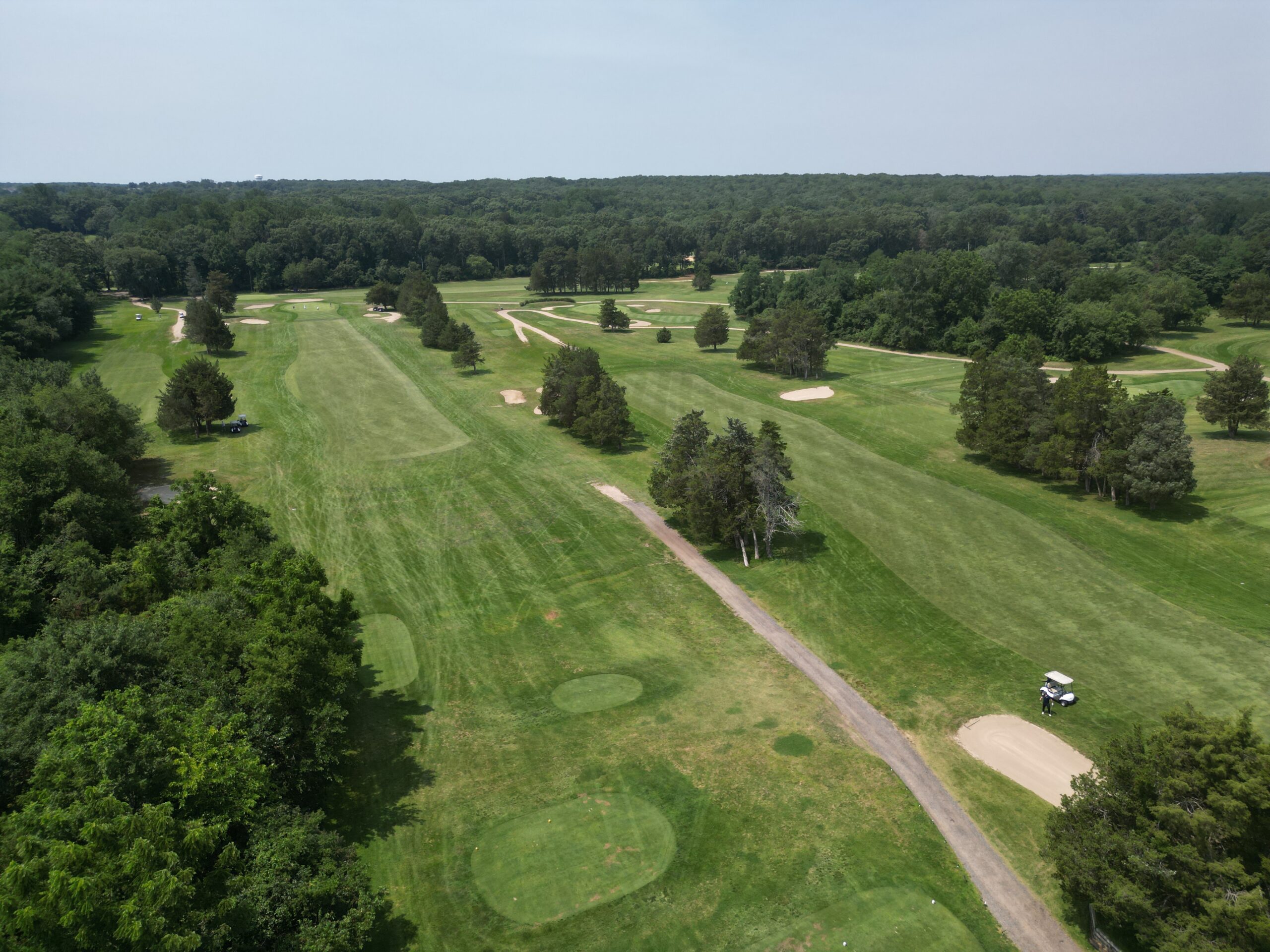
A big part of golf course maintenance (like everything else) is technology. In the turf care world there is the use of drones, autonomous mowers, precise data collection through the USGA’s Deacon/GS3 package, analysis and more. Bloom shares that technology, especially at upscale courses and clubs has gone from “nice to have” to “expected”. Drones are used for scouting and mapping. Autonomous mowers help combat labor shortages and data collection/analysis is how superintendents defend decisions and manage resources.
Bloom specifically mentioned GPS sprayers and autonomous mowers as game changers from the labor and efficiency perspective. These tools help protect the environment with better accuracy in application save on fuel consumption. Bloom emphasizes that having the technology is one thing but using and applying it has a learning curve that can’t be ignored.
One thing I’ve observed over the years is superintendents assuming general manager roles. I asked Bloom if developing these skills is a real asset or if there aren’t many clubs seeking that. In addition to the CMAA having branded a path to the GM role, “the awareness of this pathway is really lacking on both club and candidate side. More clubs are open to the superintendent-as-GM or director-of-operations model, particularly those consolidating agronomy, clubhouse, and grounds under one operational leader. It’s not the majority of the market yet. But for the right person at the right club, it’s one of the highest-ceiling moves in the industry.”
Bloom believes more clubs should consider this for “cultural purposes”. He says; “Often, the people who know your club best from membership to finances and operations are the existing department heads. In my estimation from my experience, the best form of recruiting and retention is internal development. I think you could say that for any business. If you observe the trends of turnover at the GM/COO role, historically there have been 3-4 year appointments, which by and large is symbolic of the governance turnover.”
In closing, I asked Bloom what I may have missed. He mentioned compensation expectations, a cultural fit with GM and committees, leadership style fit and long term retention. He noted that general managers often last only 3-5 years while superintendents and clubs should be looking for at least a 5-10 year term, if not more. Bloom says: “The best hiring decisions weight fit and leadership as heavily as agronomy.” He emphasized that just because a candidate doesn’t come from one of the older, more “esteemed” clubs doesn’t mean they’re less qualified.
