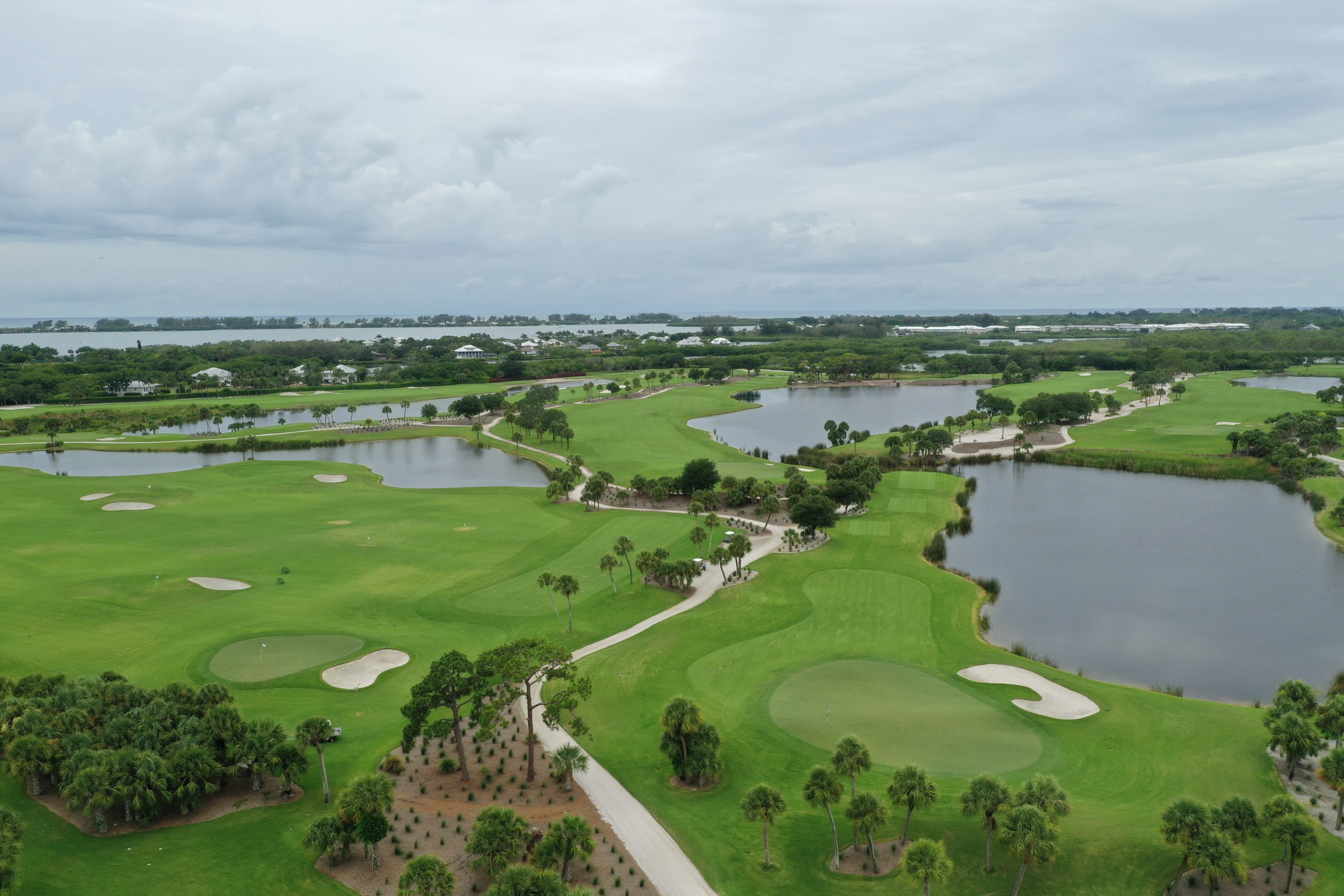

What is a “trophy” property? A quick online search yielded this definition: “A “trophy property” refers to a real estate asset that is exceptionally valuable and in high demand due to its unique qualities, such as architectural excellence, historical significance, prime location, or unique features like spectacular views or massive acreage. These properties are often considered the pinnacle of real estate achievement and can include luxury homes, historic estates, high-yield agricultural land, or significant commercial buildings.” As it relates to golf properties, it usually signifies a property with unique natural beauty (think Pebble Beach), a significant place in the game’s history (think Pinehurst) or possibly simply being highly ranked among its peers. Sometimes it can even refer to the list of members or who designed the golf course or specific circumstances surrounding the property. There are varying levels of “trophy” properties.
We’ve recently had the opportunity to market a few trophy properties for sale and learned that simple economics (unlike most golf course sales) are not the most accurate measure of what the property will sell for. In some instances, we had previously been retained to appraise properties for market value and later asked to assist in marketing the property for sale as a broker. In each case, we advised the client to ignore the market value appraisal and employ a strategy that would take advantage of the property’s desirability and appeal to create competition for the acquisition. It worked.
“Value” is a complex term and can have many definitions. As I wrote last spring “market value” which is typically the value sought in most appraisals has boundaries. In addition to market value, there are different value definitions for different types of value that can impact the sale of golf courses, especially “trophy” properties.
These include (but aren’t limited to):
- Value in Use
- Value in Exchange (typically associated with market value)
- Investment Value
- Contributory Value
- Trophy Value
- Imputed Value
- Liquidation Value
- Book Value
When marketing for sale any golf property, but in particular a property with perceived trophy value several of these terms can be relevant. It’s the job of the agent marketing the property to identify those prospective buyers who might have an elevated level of motivation and create an environment of competition to achieve the best results in a sale. There are several strategies for marketing that depend on the individual circumstances.
In some cases, there are buyers with elevated motivation that may already have a connection to the club. They could be members or a group of members, a company that already owns facilities in the market or someone seeking to make a splash in the marketplace. There are also “hobbyists” who aren’t always looking at the economics and may be willing to pay a premium simply for bragging rights. We successfully marketed a property a couple years back to a buyer who simply wanted to “beat out” another prospect for the deal for personal competitive reasons.
Pricing a trophy property is often a challenge. In several instances, we’ve found that marketing such properties without an asking price has yielded positive results. Of course, both property characteristics and market conditions at the time help determine whether that is a useful strategy. Another strategy can be setting a time limit for offers which creates a sense of urgency among interested parties, and of course there is the auction option.
Among the decisions any seller has to make in a competitive environment is the selection of a buyer. It doesn’t always simply mean taking the highest offer. Some sellers seek a certain type of buyer, such as someone “local” who can perpetuate the original vision of the property, or conversely maybe someone who can “take the property to the next level”. This depends on the seller’s individual objectives and we are inclined to “treat the patient, not just the disease” and identify the buyer that best matches the seller’s objectives if possible.
Lastly, any golf property is likely to have obligations and potential liabilities. It’s critical for the seller to acknowledge and understand those in order to transact. We’ve been involved working for a buyer in one instance where the seller simply refused to acknowledge the magnitude of a membership refund liability and no deal ever happened. I was always taught that a deal is only good if it’s good for both parties. In marketing any golf property, but especially a “trophy” property, advising our client, whether seller or buyer, realistically on the elements of the opportunity is critical to a successful conclusion.
