
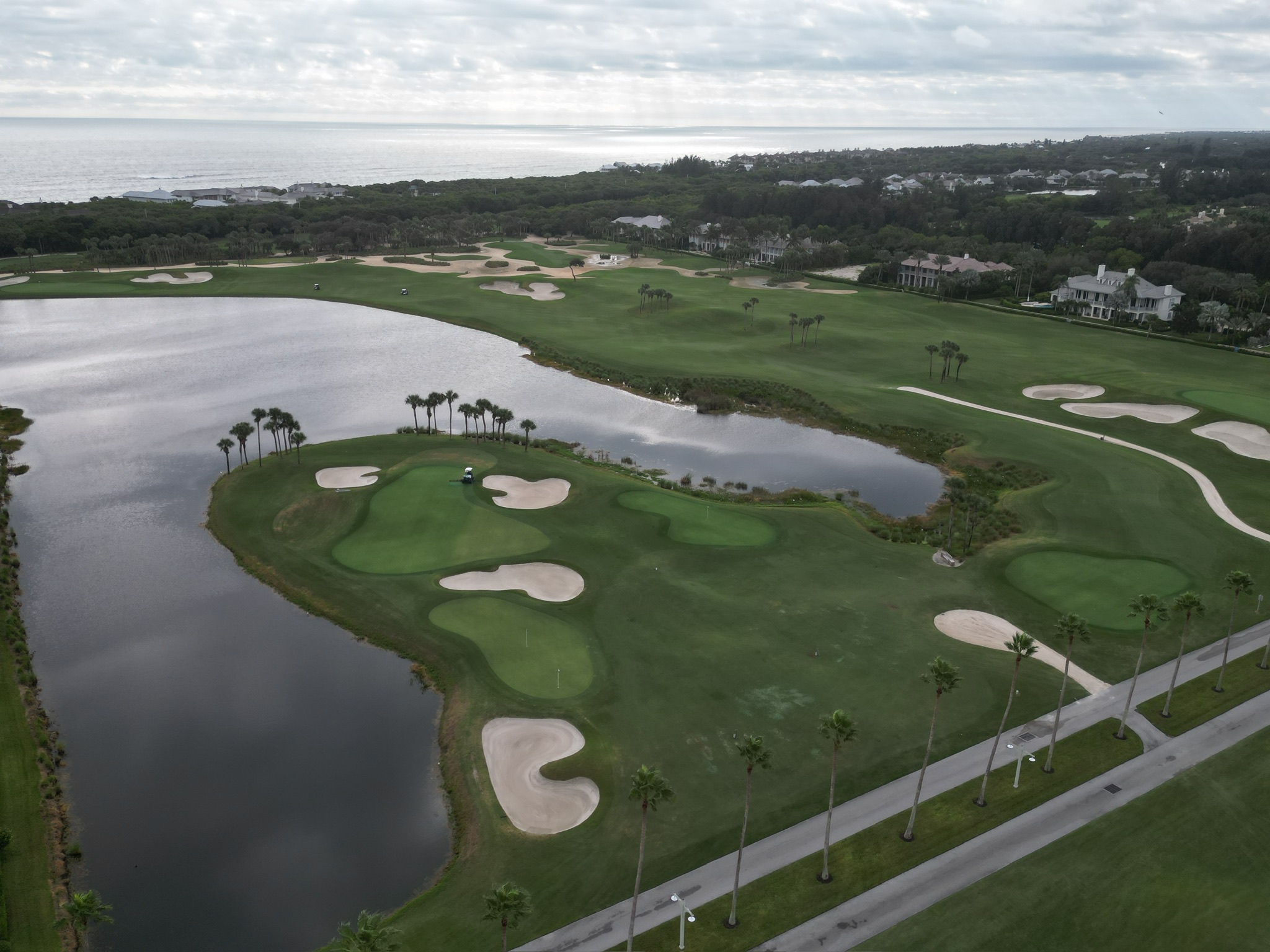

As a real estate appraiser, highest and best use is one of the fundamentals of our world. The concept of HBUSE and analysis of same form the foundation of any valuation analysis, unless we’re being asked for a “use value” analysis. HBUSE is defined in the Dictionary of Real Estate Appraisal as: “The reasonably probable use of property that results in the highest value. The four criteria that the highest and best use must meet are legal permissibility, physical possibility, financial feasibility, and maximum productivity.” As one can plainly see, it’s not as simple a concept as it sounds.
Not only does HBUSE need to be legal and physically possible, but of equal importance needs to be financially feasible and (often overlooked) be reasonably probable.
Golf courses, which often occupy 150-200 acres of land, or more typically have multiple uses that are physically possible. Where the options start to narrow can be the area of what uses are legally permissible. The most prominent of these is Zoning. Most jurisdictions have zoning ordinances which dictate property use restrictions and density. Golf courses and clubs are usually (not always) permitted in a wide variety of zoning classifications and sometimes there are even classifications specifically for golf or recreation. In many cases golf courses represent the open space or recreational component of a community and are limited by restrictive covenants. Sometimes golf courses are protected from development by conservation easements or the transfer of development rights. In these instances, valuation based on continued use can be dictated which alleviates the need to consider alternative uses.
In some jurisdictions, most notably New York State, valuations for tax assessment are required to be done based on continued present use, thus analysis of the golf or club operation is front and center.
Where disputes often occur is in the areas whether a proposed alternative use is reasonably probable or the test of financial feasibility of a proposed alternative use, that may be legally permissible.
“Reasonably probable” in a legal context means a “real chance” or a “substantial likelihood” that an event will occur, rather than a mere possibility, speculation, or remote suspicion. It often sets a standard that is more likely than not (over 50%) or suggests a “probability sufficient to undermine confidence in the outcome”. This can be critical to tax assessment valuation since many golf properties have potential for alternative uses. That said, clubs that are established and thriving would not be likely candidates for alternative uses. This is a part of the definition of highest and best use that is often overlooked – especially by those who may want to seek a higher value.
The critical test of financial feasibility of a particular use of land is quite complex and often requires extensive market and income/expense analysis to determine whether a use is in fact, economically viable. It’s not uncommon for an appraisal, especially of a new development project to require a detailed economic (financial) feasibility analysis to support the value conclusion.
The bottom line is that many golf course and club properties are facing the issue of HBUSE and the impact on ad-valorem real estate tax assessments and the golf course industry is beginning to inquire about it as tax assessors are quick to value golf properties based on future uses resulting from alternative development.
