
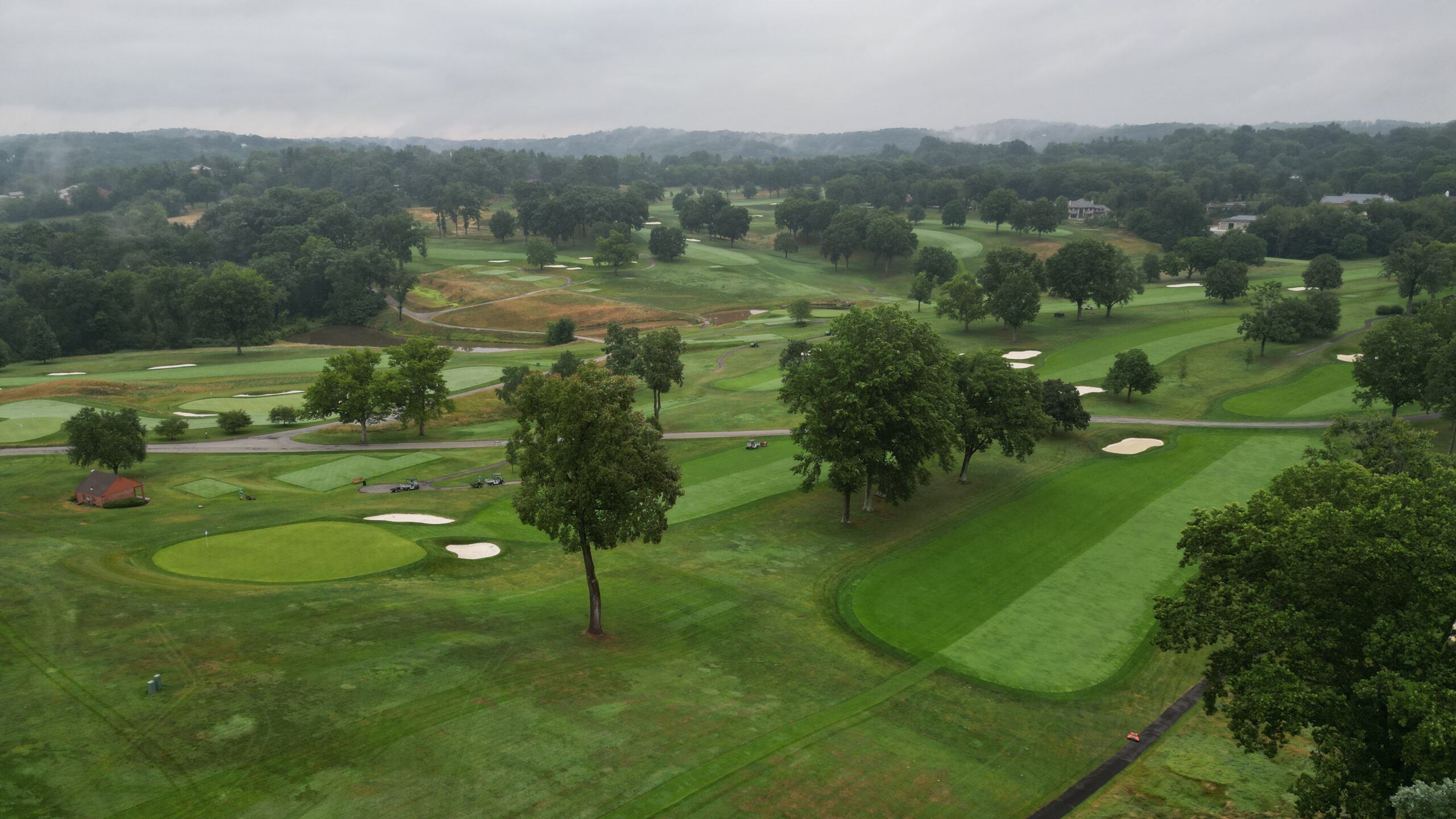

To those of us that play golf, and even more so to those of us in the golf industry, I issue a challenge. It’s high time that we invest time, effort and yes, even money in educating the non-golfers among us about the many benefits of our favorite pursuit.
Last Saturday Evening, at a break the fast gathering after the Jewish holiday of Yom Kippur I encountered a young woman who works as a community planner who took an interest in my activities in the golf industry. As the conversation developed, among the topics I raised was the inherent inefficiency of golf courses as it relates to land utilization. That prompted a response critical of golf courses environmentally that highlighted the often selective criticisms golf courses face among those who focus their concern on our environment.
Of course, I countered that golf courses help cool the air, recharge the aquifer, produce oxygen and, of course preserve open space. As one might expect, water, chemical and pesticide usage was raised by the planner. Here’s where it occurred to me that from my perspective, golf courses should be considered a net benefit to the environment.
Yes, golf courses do use lots of water. However, many are reducing their water usage by using drought-resistant varieties of turfgrass, reducing the amount of irrigated turf, by choosing to present the course “firm and fast”, or by using effluent (greywater) for irrigation which in many cases is available to golf courses free of charge, if not with a fee for taking it. Chemicals are also used to fertilize and fight disease and pests, but that use is typically only as needed and managed by golf course superintendents, who are usually licensed, are generally known to be environmental stewards and must follow a variety of state and federal regulations. The use of water, fertilizers and pesticides also makes the benefits golf courses provide to the environment possible through keeping the course healthy and disease free.
According to the USGA Green Section Record: “Most people know that golf courses use water to maintain healthy grass, but many do not know that golf courses also capture, retain and filter stormwater, and recharge groundwater supplies. Some courses are even specifically designed to reduce the risk of flooding in surrounding communities. The turfgrass and natural areas on golf courses slow and filter runoff from adjacent properties. When best practices are followed, the water exiting a golf course can be cleaner than when it entered.” In a recent article in “Golf Course Architecture” nine projects were recognized for their positive impact on the environment. This is further discussed in the Green Section Record article “The Environmental Benefits of Golf Courses”.
According to the Rutgers University article “Golf Courses & The Environment”, “Although dependent on the environment, golf courses are often criticized for their negative impact on their natural surroundings. From groundwater pollution caused by fertilizers and pesticides to loss of natural habitats and wetlands, the concerns are great. However, golf courses also have great opportunities to make a positive impact. They can provide wildlife sanctuaries, preserve natural areas in urban environments, support native plants and wildlife, protect water resources, rehabilitate degraded landscapes, and promote environmentally-positive management to the public.“
There are even certification programs for environmentally sensitive golf courses, such as the Audubon Cooperative Sanctuary Program (ACSP) for Golf that promote responsible management.
Of course, when many of us think of alternatives to use of a site as a golf course, we think of some type of development. Those that oppose golf development only consider no development alternatives, which is rarely realistic or economically feasible, and as suggested above is not always environmentally preferable to a golf course. While this post focuses on the environmental impact, the economics and societal benefits cannot be ignored. Golf courses employ lots of people and provide a recreational amenity for a community that attracts both residents and businesses improving the quality of life. The economic impact of golf in the US exceeds $100 Billion. For the roughly 14,000 golf courses in the US, the average economic impact per course is more than $7 million. Educating golf’s detractors could enhance those numbers and the value of our golf courses and clubs.
During the above-mentioned conversation, the the comparison (environmentally) was made of golf courses to “a meadow”. The Rutgers article cited above provides the best answer balancing the acknowledgement of concerns and pointing out the benefits of golf courses. As a scientific lay person, at the very least it seems as though even compared to an undisturbed meadow, the environmental benefits of golf courses can at least equal the impact and combined with the economic and societal benefits create a net positive in most instances.
The facts stated above and articles referenced (provided by Terry Buchen of Golf Agronomy International) are largely seen by those of us in the industry or avid golfers. It’s critical that golf get the word out to mainstream society so that those who are less informed about golf ‘s many environmental benefits, and in positions to make decisions can begin making those decisions from a well-informed perspective.
